Encouraging Independence Through Practical Life in a Montessori Toddler Program
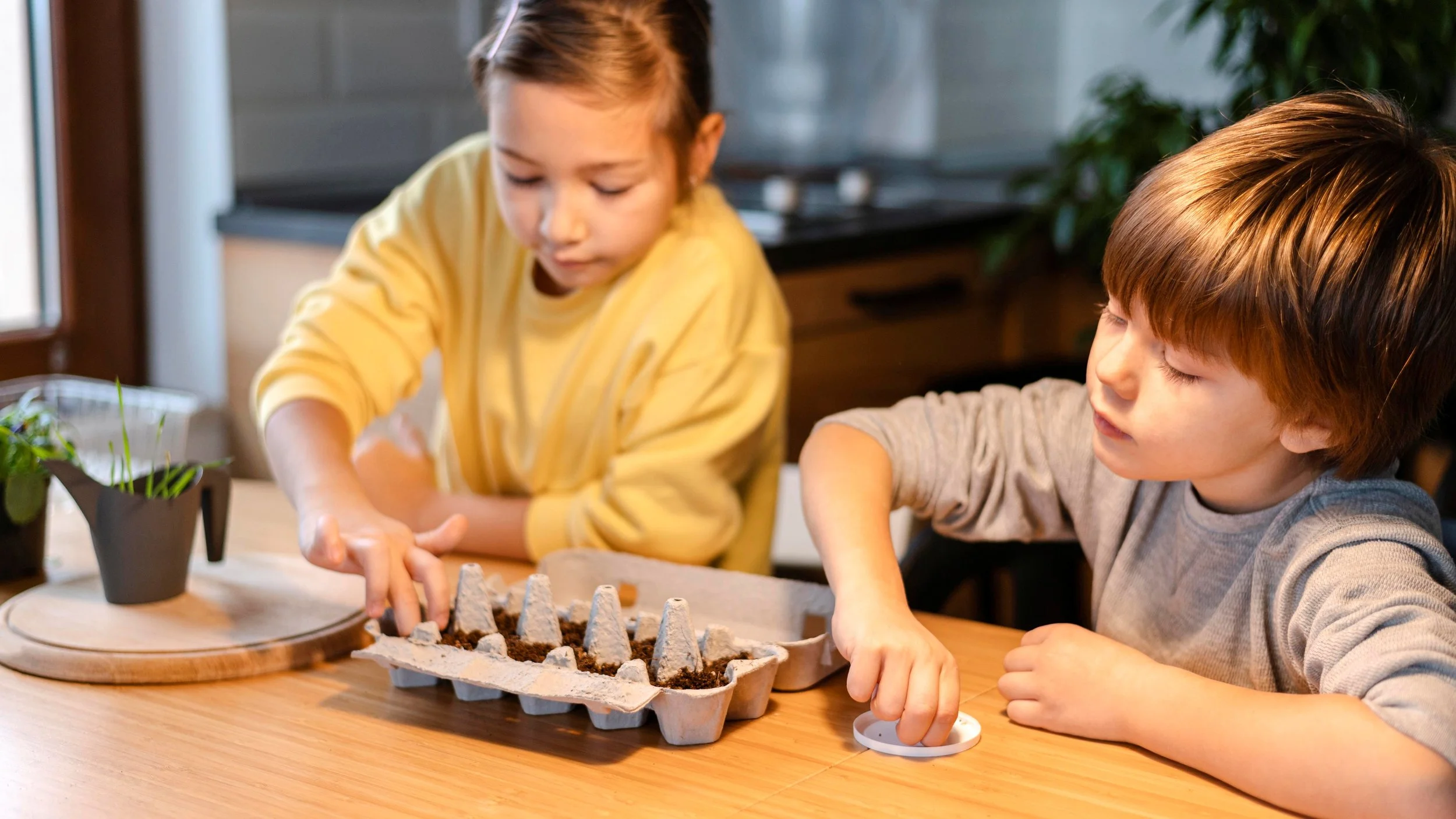
Independence begins with small, everyday moments. Toddlers often want to participate in real tasks, even when they are still learning how to control their movements and express their needs. A calm, prepared environment gives them the space to practice these skills safely. In a well-structured Montessori toddler program, practical life activities help young children build confidence through meaningful work.
Practical Life Activities Feel Familiar
Practical life activities are based on tasks children see at home and in daily routines. These may include pouring water, wiping a table, carrying a small tray, washing hands, or putting materials back in place. Because these activities are familiar, toddlers often approach them with natural interest.
In thoughtful Montessori daycare programs, teachers introduce these tasks slowly and clearly. Children are shown how to complete each step, then given time to practice. This repetition helps toddlers develop coordination, concentration, and a sense of responsibility.
Rather than rushing to complete a task for the child, adults provide guidance while allowing the child to participate as fully as possible.
Child-Sized Materials Support Confidence
Montessori classrooms are designed with young children in mind. Shelves are low, materials are accessible, and tools are sized for small hands. This prepared environment allows toddlers to make simple choices and complete tasks with growing independence.
At Montessori West, practical life activities support more than motor skills. They also help toddlers experience success. When a child pours water without spilling, carries a tray carefully, or cleans up after an activity, they begin to understand their own capability.
These small accomplishments build emotional confidence over time.
Repetition Helps Toddlers Master New Skills
Toddlers often repeat the same activity many times. This repetition is not random. It is how young children strengthen memory, coordination, and focus. A task that seems simple to adults may require careful concentration from a toddler.
Practical life activities provide healthy opportunities for this kind of repeated practice. Each attempt helps the child refine movement and gain control. Teachers observe closely and step in only when support is needed.
This balance helps children feel respected and capable.
Independence Grows Through Daily Routine
Independence is not developed through pressure. It grows when children are given consistent opportunities to try, practice, and improve. Predictable routines make these opportunities part of the learning day.
Families exploring early childhood options often look for environments that support confidence without overwhelming children. Practical life work gives toddlers meaningful ways to participate in their community while developing important early skills.
When toddlers are trusted with real tasks in a calm environment, they begin to see themselves as capable contributors. This foundation supports emotional growth, self-regulation, and a lasting sense of confidence.

Supporting Language Growth in a Montessori Toddler Classroom
Language development begins early and grows through everyday interaction. Toddlers learn to communicate by listening, observing, and practicing new words in meaningful contexts. A structured, responsive environment plays a key role in helping children build these skills. In a well-prepared Montessori toddler program, language growth is supported through conversation, routine, and hands-on exploration.
Daily Conversation Builds Vocabulary Naturally
Toddlers develop language through consistent, real-life communication. In Montessori classrooms, teachers speak clearly and intentionally, naming objects, describing actions, and responding thoughtfully to children’s cues. These back-and-forth exchanges, often referred to as “serve-and-return” interactions, help strengthen early brain development.
In high-quality Montessori daycare programs, language is woven into every part of the day. Whether children are preparing a snack, putting materials away, or participating in group activities, teachers guide them with simple, descriptive language. This repetition helps toddlers connect words with actions, building both understanding and confidence.
Over time, children begin to express their needs more clearly and participate more actively in conversations.
Hands-On Activities Reinforce Language Learning
Language development is closely connected to movement and sensory exploration. Montessori environments provide materials that encourage toddlers to touch, sort, and manipulate objects while hearing associated vocabulary. Activities such as matching items, identifying pictures, or naming familiar objects support both comprehension and recall.
Programs like those offered at Montessori West emphasize hands-on learning because it allows toddlers to experience language in context. Rather than memorizing words, children associate language with real experiences. This approach helps deepen understanding and supports long-term retention.
Repetition also plays an important role. When toddlers revisit familiar activities, they reinforce both language patterns and confidence.
Predictable Routines Support Communication
Consistency helps toddlers feel secure, which in turn supports communication. When daily routines remain predictable, children are more likely to engage verbally. Knowing what to expect reduces frustration and allows toddlers to focus on expressing themselves.
Teachers support this process by giving children time to respond, modeling simple phrases, and encouraging participation without pressure. Over time, toddlers begin to use language more independently, whether asking for help, describing an activity, or interacting with peers.
Language Growth Happens Gradually
Every child develops language at their own pace. Some toddlers begin speaking early, while others rely more on gestures before forming words. A supportive environment meets children where they are and gently encourages progress.
Families exploring early childhood options often look for programs that prioritize communication alongside independence. When toddlers experience consistent conversation, meaningful activities, and respectful guidance, language development becomes a natural part of daily life.
A calm, prepared classroom gives children the confidence to explore language in ways that feel comfortable and engaging.

Why Predictable Routines Matter in Montessori Daycare Settings
Toddlers experience rapid growth in language, movement, and emotional awareness. During this stage, consistency plays a powerful role in helping children feel confident and secure. A thoughtfully structured day allows young learners to explore their environment without unnecessary stress. In a well-designed Montessori toddler program, predictable routines create the stability toddlers need to thrive.
Consistency Reduces Anxiety During Transitions
Transitions can be challenging for toddlers. Moving from home to school, from playtime to cleanup, or from snack to outdoor time requires emotional adjustment. When routines remain consistent, children begin to anticipate what comes next. This sense of predictability lowers frustration and supports smoother transitions throughout the day.
In structured Montessori daycare programs, classroom rhythms follow a steady pattern. Arrival, independent work time, snack, outdoor activity, and dismissal happen in familiar sequences. Teachers guide transitions calmly and clearly, reinforcing expectations with gentle reminders rather than sudden changes. Over time, children internalize these patterns and move between activities with greater confidence.
Order in the Environment Supports Independence
Predictability extends beyond scheduling. The physical layout of the classroom also contributes to emotional security. Montessori environments are intentionally organized, with child-sized shelves and clearly defined work spaces. Materials are returned to the same place each day, allowing toddlers to build a sense of order.
When children know where items belong and how to access them independently, they experience fewer moments of confusion. Completing simple tasks such as choosing an activity, finishing it, and returning materials reinforces responsibility. Programs like those offered at Montessori West emphasize prepared environments because they support both autonomy and emotional balance.
This consistent structure helps toddlers feel capable rather than overwhelmed.
Routines Strengthen Emotional Regulation
Young children are still developing the ability to manage big feelings. When daily experiences remain predictable, toddlers are less likely to feel overstimulated. Calm repetition of activities builds familiarity, and familiarity builds security.
Teachers play a key role by modeling steady responses. Rather than reacting quickly to minor disruptions, educators guide children through problem-solving with patience. Repeated exposure to this approach helps toddlers learn how to recover from frustration more effectively.
Research from early childhood development experts consistently highlights the importance of stable caregiving and consistent routines during the first years of life. Montessori classrooms integrate both elements into daily practice.
Building Confidence Through Repetition
Repetition is a natural part of toddler learning. Whether pouring water, matching objects, or practicing handwashing, repeating familiar tasks strengthens coordination and concentration. Predictable routines provide opportunities for this repetition to occur in a calm setting.
Families exploring early childhood programs often look for environments that balance freedom with structure. When routines are steady and expectations remain clear, toddlers gain the confidence to explore new challenges while feeling secure in their surroundings.
A predictable day does not limit curiosity. Instead, it provides the foundation that allows curiosity to grow safely and steadily.
How Consistent Care in a Montessori Toddler Program Supports Emotional Security
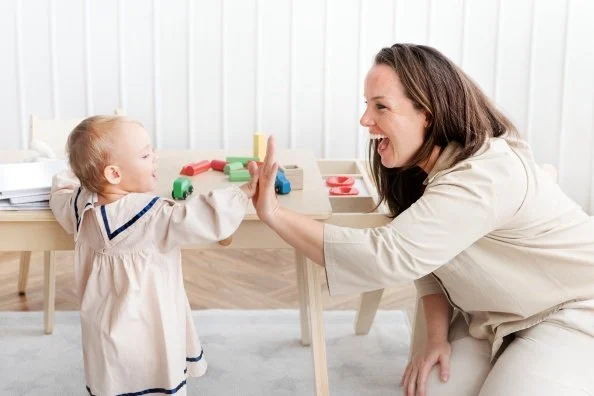
Early childhood is a time of rapid emotional growth. Toddlers are learning how to separate from caregivers, explore new environments, and communicate needs that they may not yet have the words to express. A structured, predictable setting plays an important role in helping young children feel secure. In a well-designed Montessori toddler program, consistency and calm routines create the foundation for emotional confidence.
Predictable Routines Help Toddlers Feel Safe
Toddlers thrive when they know what to expect. Regular arrival rituals, consistent snack times, and uninterrupted work periods reduce uncertainty. When transitions follow a steady rhythm, children are less likely to feel overwhelmed. In high-quality Montessori daycare programs, classrooms are intentionally designed to maintain order and clarity. Materials are placed in the same locations each day, and expectations remain steady.
This predictability allows toddlers to focus on exploration rather than worrying about what comes next. Over time, familiar routines build trust in both the environment and the adults guiding them.
Consistent Caregivers Strengthen Attachment
Emotional security is closely tied to relationships. Research from the American Academy of Pediatrics emphasizes the importance of stable, responsive caregivers during the early years. When toddlers interact with the same teachers daily, they build a sense of reliability and connection.
In environments like those found at Montessori West, teachers use calm language, eye contact, and patient redirection to support developing emotional skills. Rather than reacting quickly or raising voices, adults model steady responses. This helps children learn that big feelings can be managed safely.
Consistent caregiving also makes separation from parents easier. When toddlers trust their teachers, transitions become smoother and less stressful.
Prepared Environments Encourage Confident Exploration
Emotional security is not only about relationships. The physical space matters as well. Montessori classrooms are intentionally prepared with child-sized furniture and accessible materials. Toddlers can independently choose activities such as pouring, sorting, or matching without constant adult intervention.
When children successfully complete small tasks, they gain confidence. That confidence reduces frustration and encourages further exploration. A calm environment paired with meaningful work gives toddlers a healthy outlet for energy and curiosity.
Emotional Growth Develops Over Time
Security does not appear overnight. It grows through repeated experiences of safety, respect, and encouragement. In structured early learning environments, toddlers gradually learn to regulate emotions, communicate needs, and recover from minor disappointments.
Families exploring early childhood options often look for programs that balance independence with emotional support. When routines remain predictable and adults respond consistently, toddlers build the trust they need to explore the world with confidence.
Consistent care, thoughtful classroom design, and respectful guidance work together to support emotional growth during this important developmental stage.